How to Integrate the OpenAI API into ASP.NET Core 10 (C# Step-by-Step)
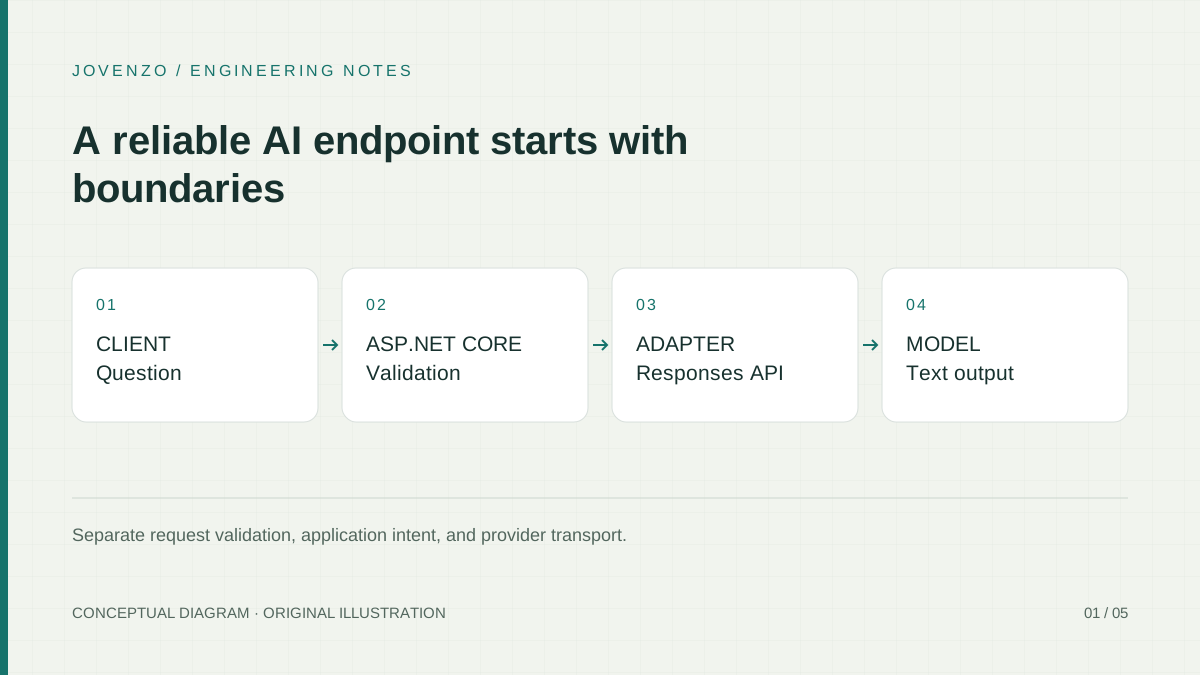
Build a bounded, secure AI endpoint with dependency injection, the Responses API, cancellation, and predictable error handling.
 Bora YılmazNov 3, 2026
Senior Backend Developer / Software Engineer
I build backend systems with C# and .NET. Here, I explore how sound software engineering connects with practical AI development.
Bora Yılmaz is a software engineer with a professional development background dating to 2015. He holds a bachelor’s degree in Computer Engineering from Eastern Mediterranean University, completed in 2015.
His experience includes backend development at İstikbal Mobilya, senior backend development at sigortam.net, and software development team leadership at Almila Mobilya. These roles involved manufacturing systems, insurance software, APIs, and enterprise integrations.
His technical work spans ASP.NET Core MVC and Web API, service-based architectures, Entity Framework, SQL Server, MySQL, Redis, Kafka, Docker, background services, and CI/CD workflows with Azure DevOps. He has worked on systems integrating business data from sources such as SAP and enterprise databases.
Jovenzo brings that backend perspective to AI application development. Articles focus on clear boundaries, reproducible examples, security, and the trade-offs behind engineering decisions. AI-related product claims are grounded in documentation, and verification limitations are stated beside the relevant examples.
Bora is Jovenzo’s sole author and is responsible for approving its articles before publication. AI tools may assist with research, drafting, and editing; they do not establish firsthand experience or replace his review.
Build a bounded, secure AI endpoint with dependency injection, the Responses API, cancellation, and predictable error handling.
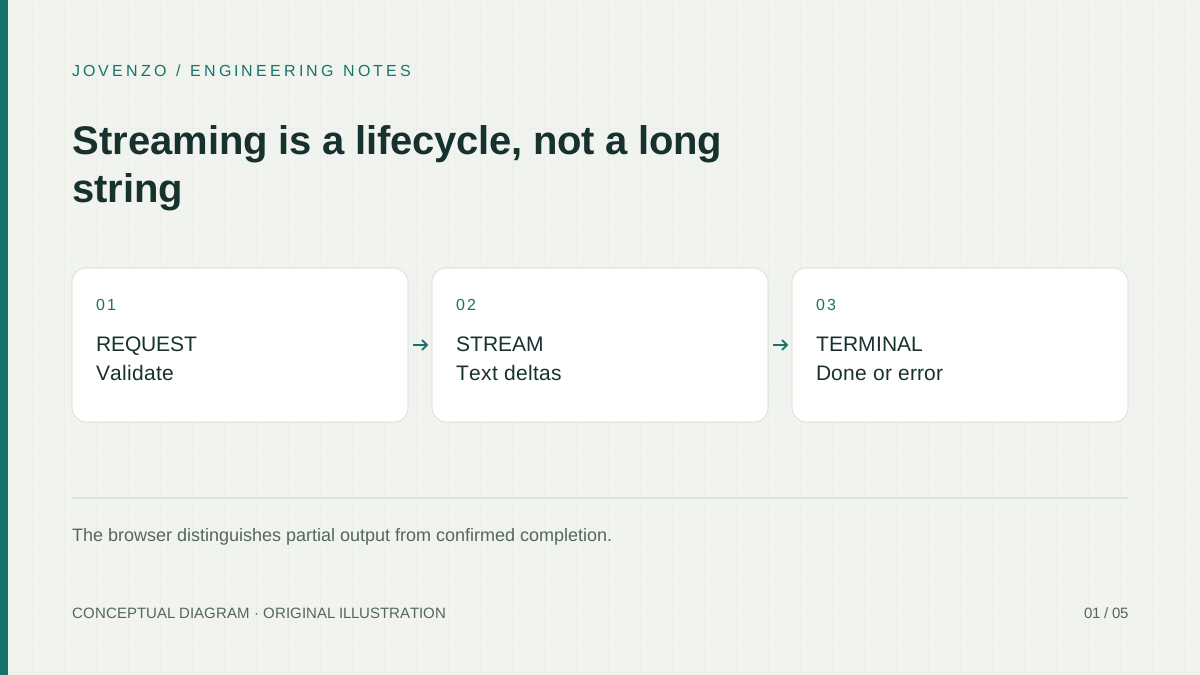
Bora YılmazNov 3, 2026Design a streaming endpoint with explicit completion, safe event framing, browser cancellation, and predictable proxy behavior.
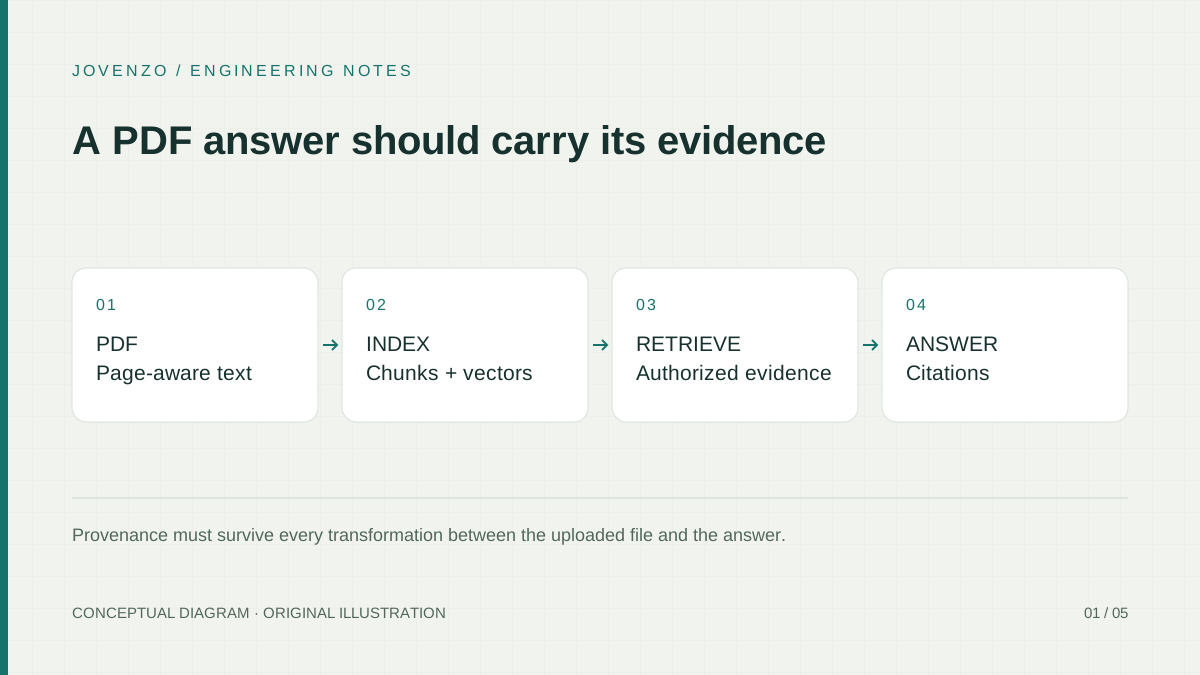
Bora YılmazNov 3, 2026Design page-aware PDF ingestion, compatible embeddings, authorized retrieval, and answers with inspectable source citations.
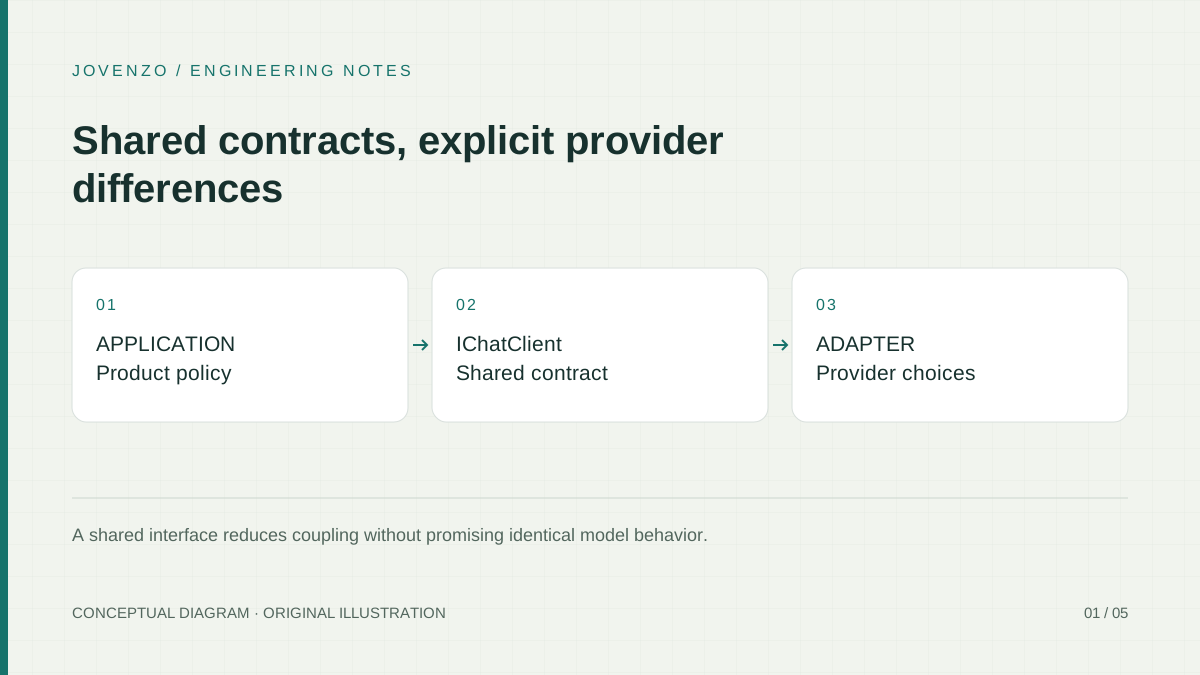
Bora YılmazNov 3, 2026Use IChatClient to separate application policy from provider integration, with explicit capability checks and migration tests.
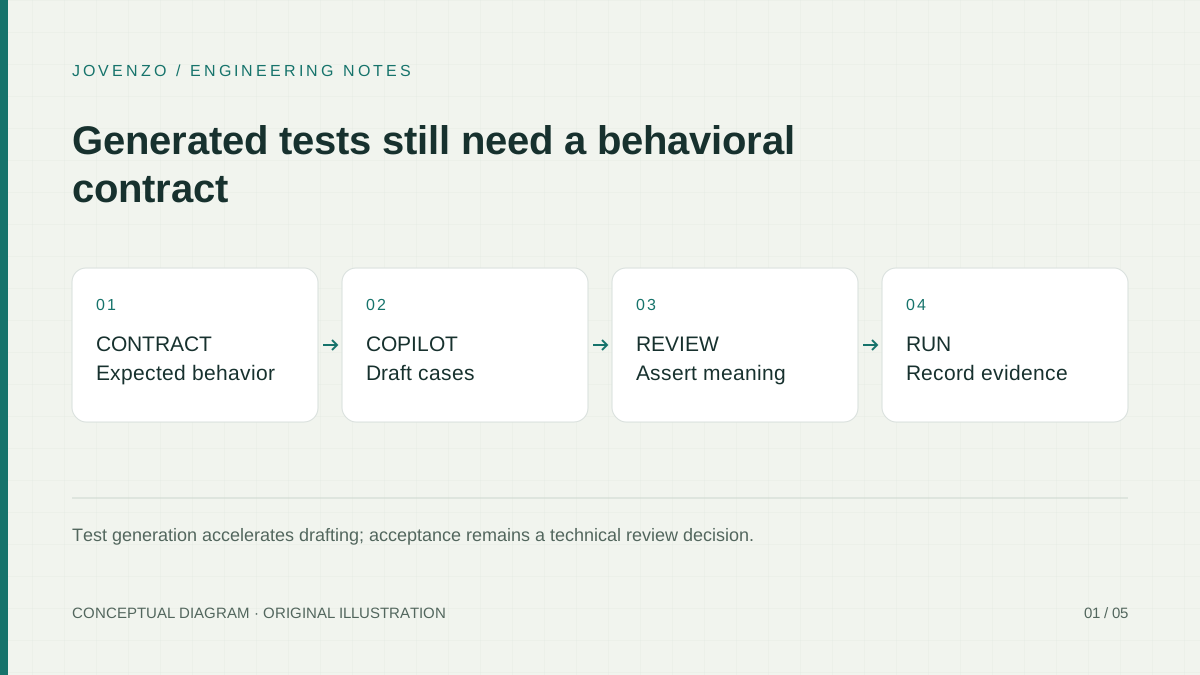
Bora YılmazNov 3, 2026Turn AI-assisted test generation into a reviewable workflow with explicit behavior, meaningful xUnit assertions, and reproducible execution.
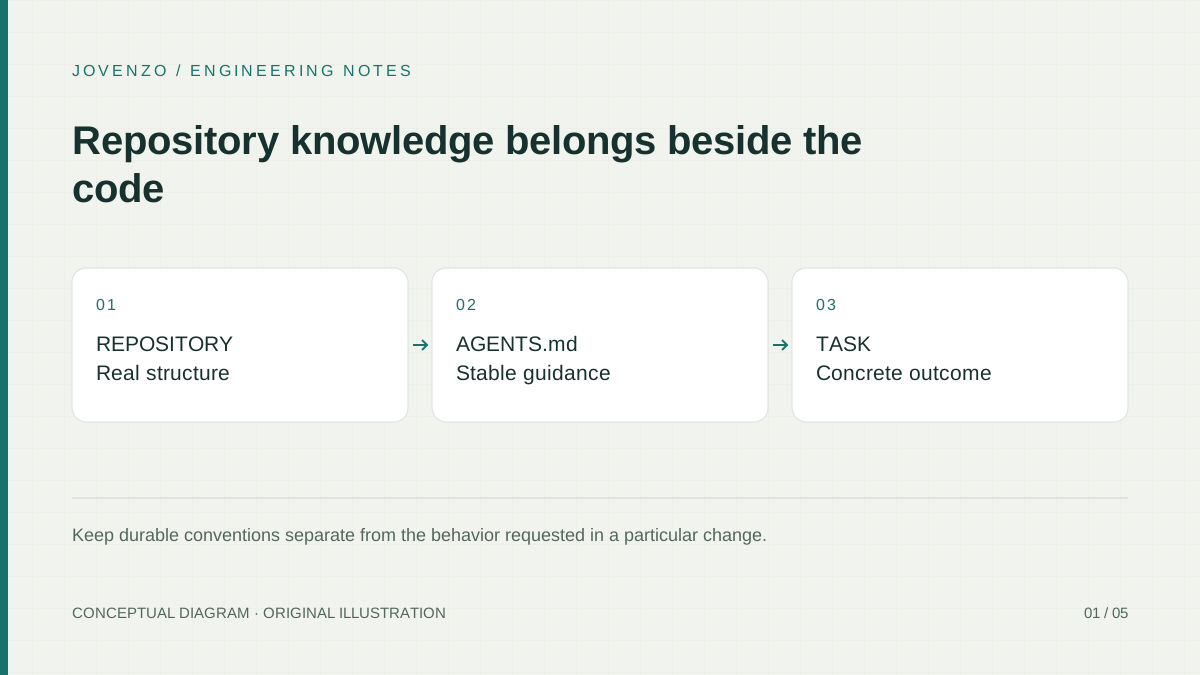
Bora YılmazNov 3, 2026Create concise, accurate repository guidance with real build commands, scoped conventions, architectural boundaries, and review evidence.
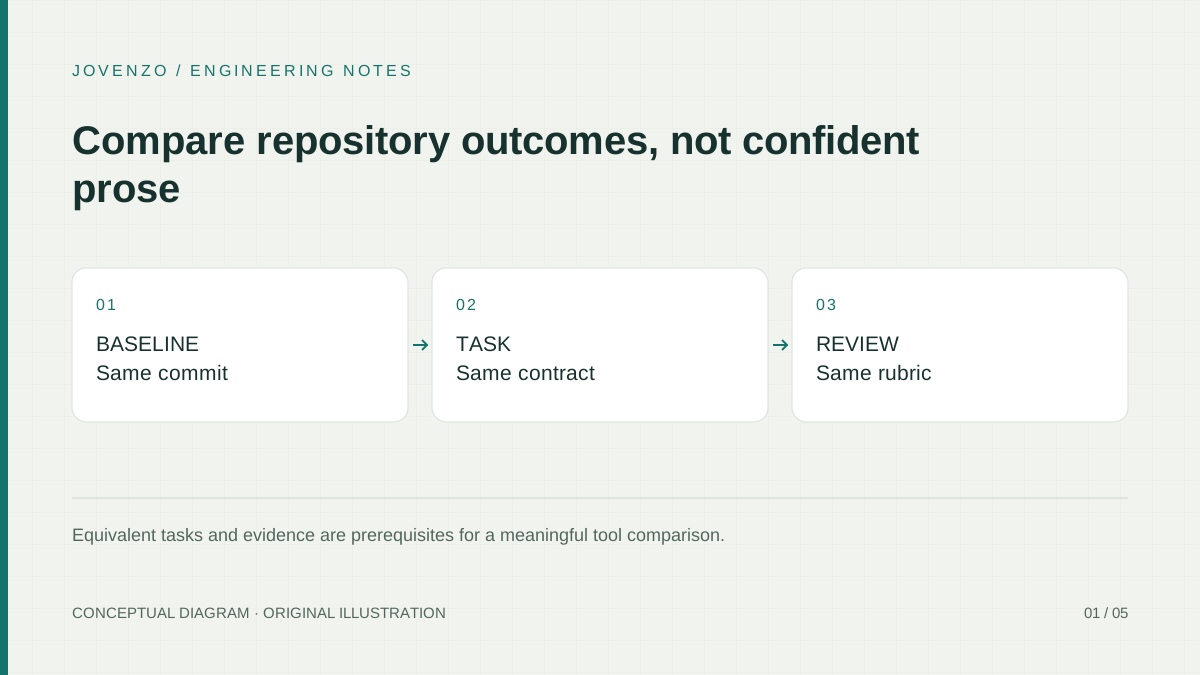
Bora YılmazNov 3, 2026Compare documented workflows and design fair, reproducible C# trials without inventing tool benchmarks or a universal winner.
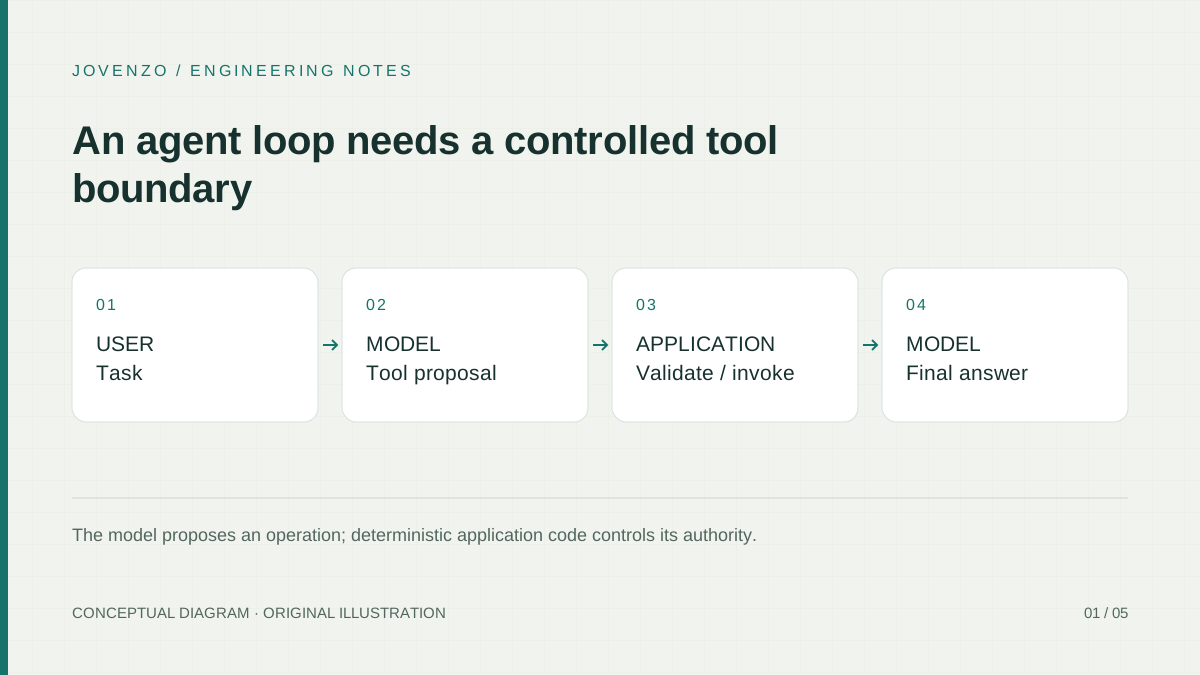
Bora YılmazNov 3, 2026Build a bounded catalog agent with one read-only tool, a managed model client, cancellation, and honest offline orchestration evidence.
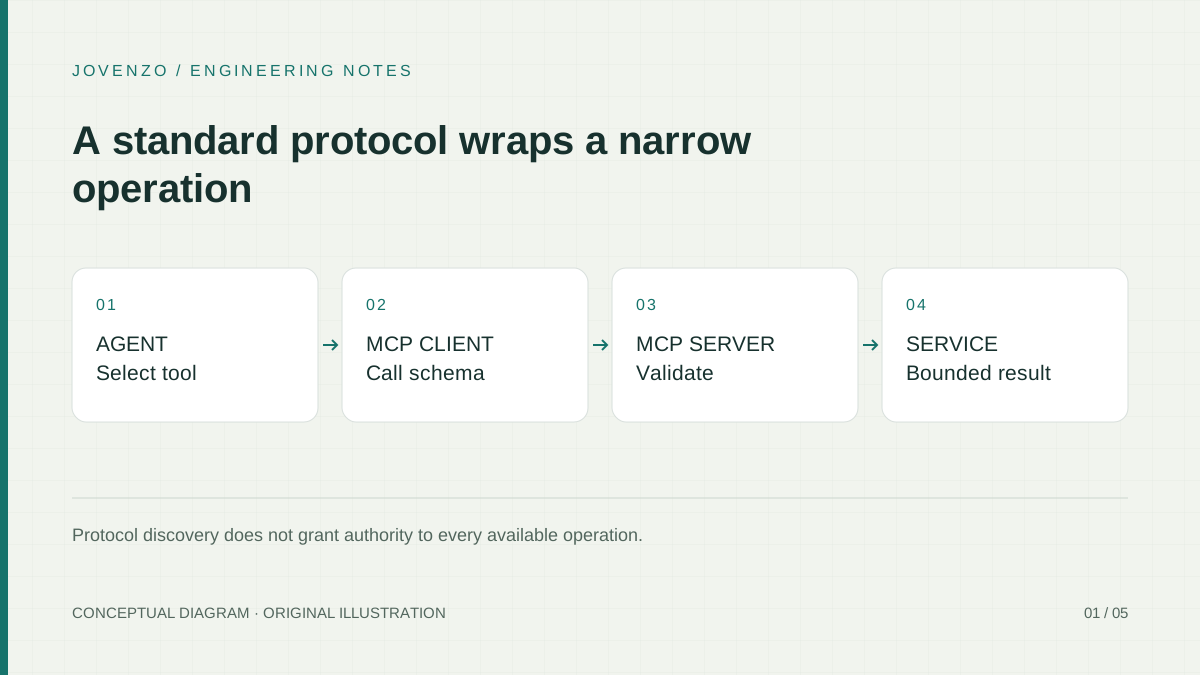
Bora YılmazNov 3, 2026Build and verify a local stdio MCP server, discover an allowlisted catalog tool, and connect it to an Agent Framework loop.
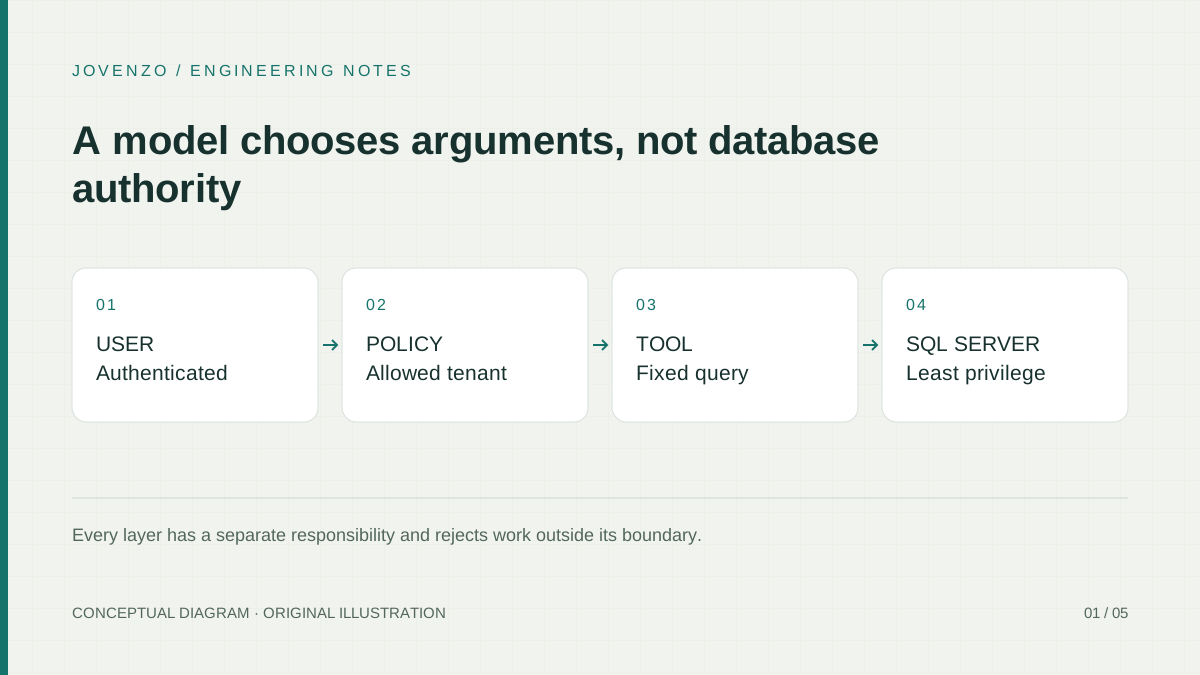
Bora YılmazNov 3, 2026Expose a fixed read-only SQL operation with authenticated tenant binding, least privilege, typed parameters, and bounded execution.
Bora YılmazNov 3, 2026